


Transportation Infrastructure Lighting
Transportation infrastructure lighting plays a vital role in the safety, efficiency, and visual quality of modern public spaces. It refers to the lighting systems used along roads, highways, bridges, tunnels, rail stations, bus terminals, airports, ports, and pedestrian pathways. These lighting solutions are designed not only to illuminate large areas, but also to guide movement, reduce accidents, and support reliable transportation operations during day and night.One of the most important functions of transportation infrastructure lighting is improving safety. Well-designed lighting helps drivers, cyclists, and pedestrians see clearly in low-light conditions, bad weather, or at night. On highways and urban roads, proper illumination can reduce the risk of collisions by making lane markings, signs, obstacles, and other vehicles easier to recognize. At crossings, intersections, and roundabouts, lighting also helps people judge distance and movement more accurately, which lowers the chance of accidents.In tunnels and underpasses, lighting is especially important because it helps users adapt from bright outdoor conditions to darker enclosed spaces. A carefully planned lighting layout can reduce visual discomfort and maintain safe driving speeds. Similarly, at railway platforms, bus stops, and transit hubs, lighting improves visibility for passengers, allowing them to move confidently and wait in safer environments.Transportation lighting also supports operational efficiency. In airports and ports, bright and well-directed lighting helps workers manage loading, unloading, navigation, and maintenance tasks around the clock. On rail systems and road networks, lighting can assist monitoring, inspections, and emergency response. When transportation facilities are clearly lit, activities can continue smoothly even in nighttime hours, extending the usefulness of public infrastructure.Energy efficiency is another major consideration in modern lighting design. Many transportation projects now use LED technology because it consumes less electricity, lasts longer, and requires less maintenance than traditional lighting. Smart lighting controls, such as sensors and automatic dimming systems, can further reduce energy use by adjusting brightness according to traffic levels, weather, or time of day. These solutions help lower operating costs while also supporting environmental goals.Aesthetic value is also an important part of transportation infrastructure lighting. Bridges, terminals, and public walkways can become landmarks when lighting is used creatively and thoughtfully. Good lighting enhances the appearance of urban environments and creates a sense of order and identity. It can highlight architecture, improve the nighttime landscape, and make public spaces feel more welcoming.In addition, lighting contributes to accessibility and comfort. Clear illumination helps elderly people, children, and individuals with disabilities navigate transportation areas more easily. By creating brighter and more predictable environments, lighting improves the overall travel experience for everyone.In conclusion, transportation infrastructure lighting is far more than simple illumination. It is a fundamental part of safe, efficient, sustainable, and attractive transport systems. As cities grow and mobility demands increase, high-quality lighting will remain essential to supporting modern transportation networks.
Produk
Kategori:
Tiada hasil carian!
Berita
Kategori:
Tiada hasil carian!
Kes
Kategori:
-
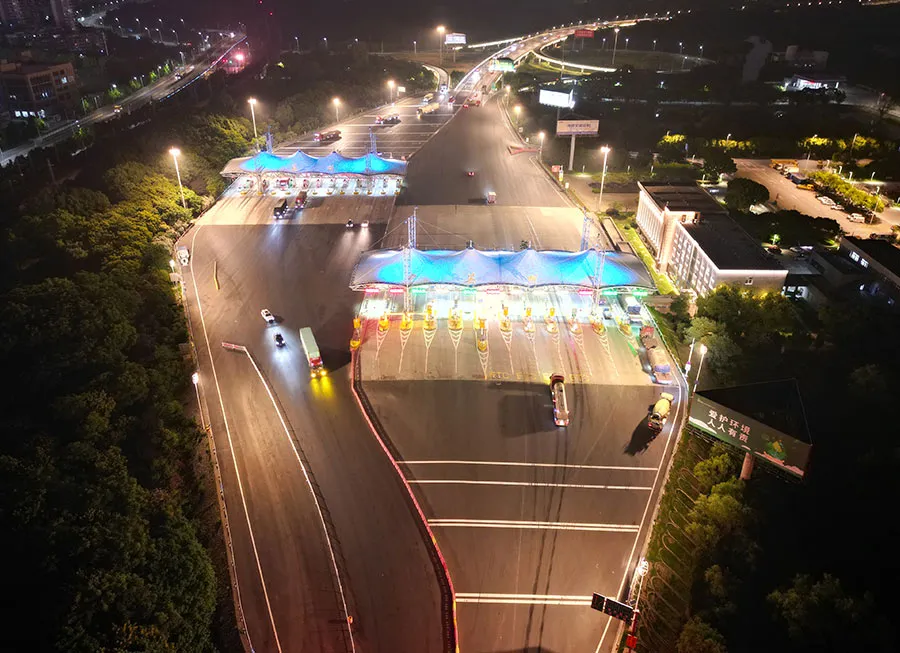
Highway Lighting Solutions
-
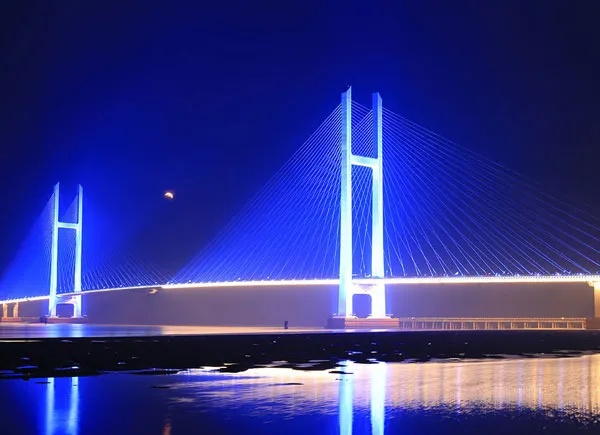
Bridge Lighting Solutions
-
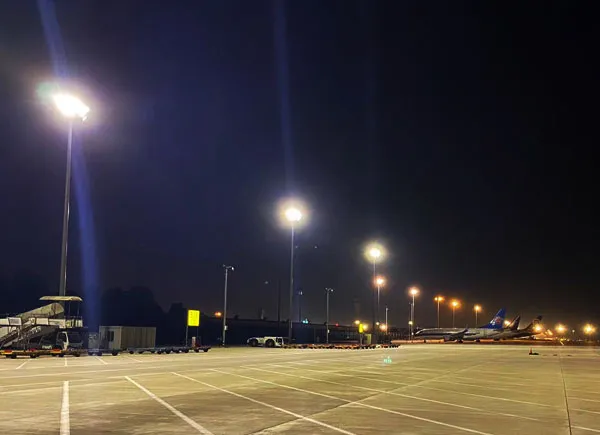
Airport Lighting Solutions
-
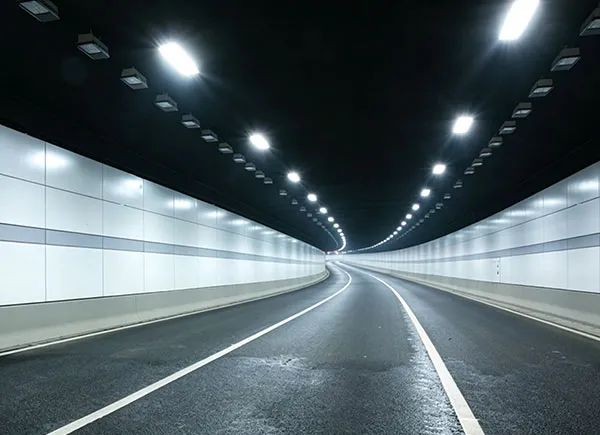
Tunnel Lighting Solutions
Video
Kategori:
Tiada hasil carian!
Muat turun
Kategori:
Tiada hasil carian!
Pengambilan
Kategori:
Tiada hasil carian!
Produk yang disyorkan
Tiada hasil carian!


